
The water is blooming, don't call 911. What to do?
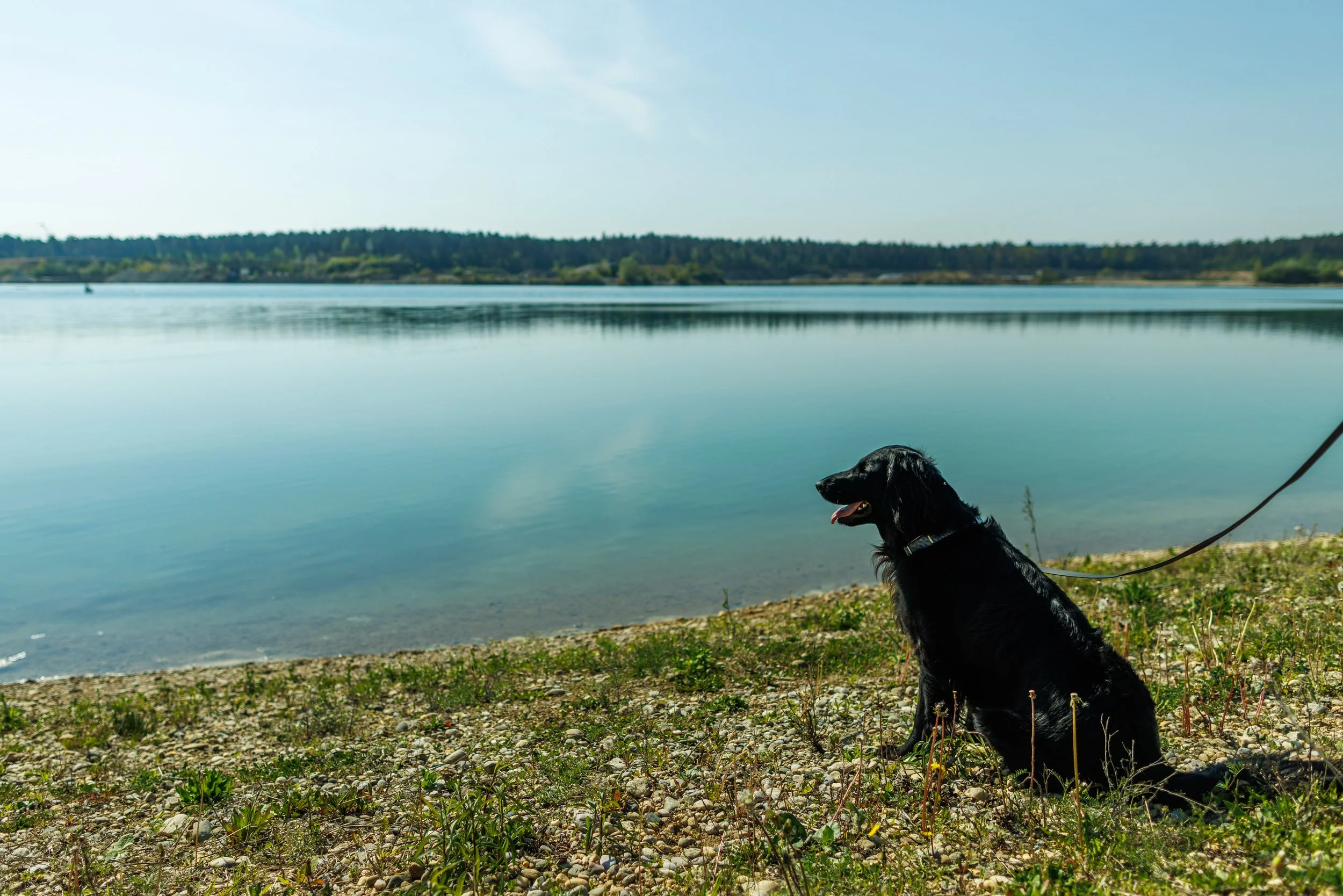
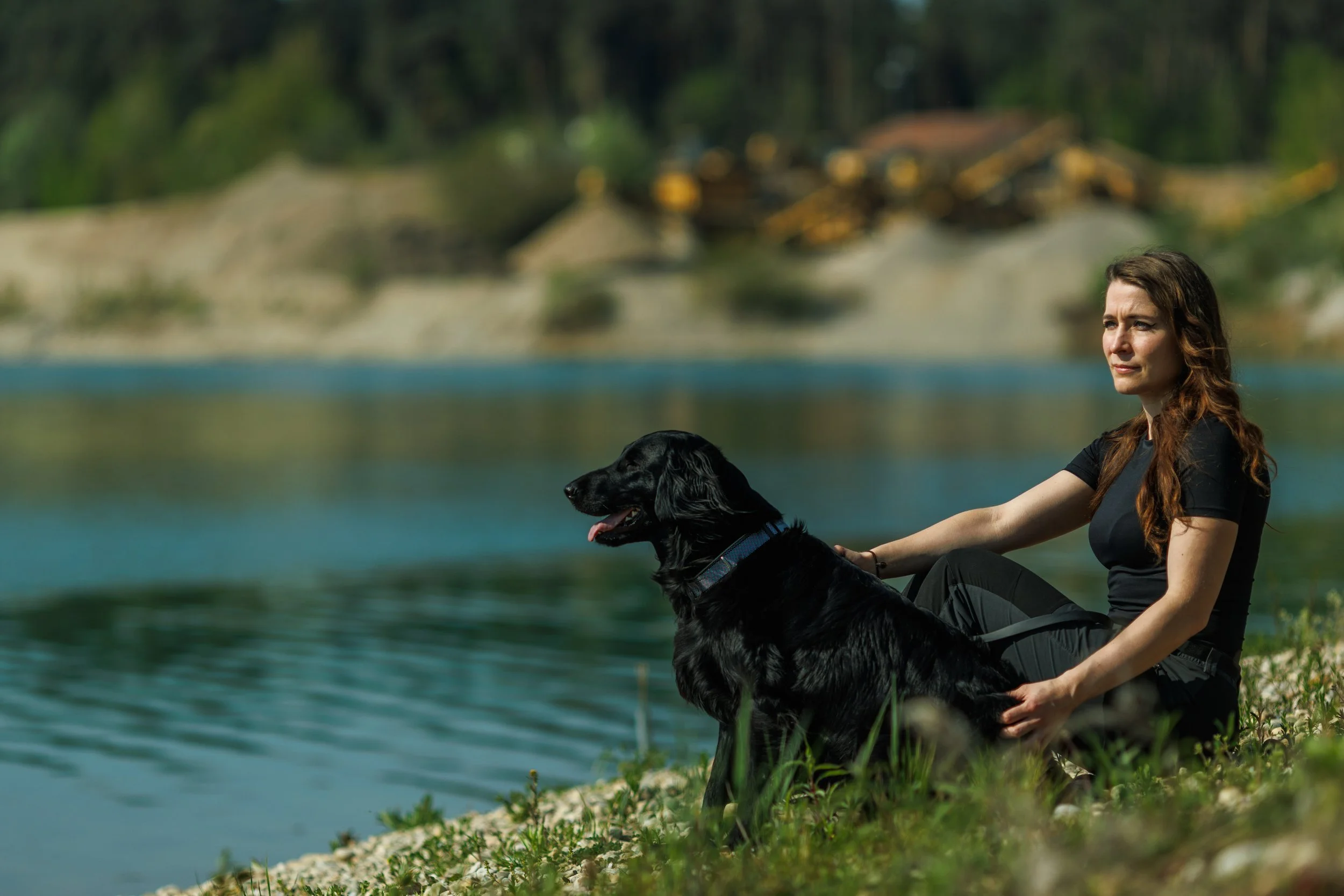
Verona at the lake for the first time since the poisoning. Photo: Matej Povše
authors
Maja Čakarić, Zarja Muršič
It was a hot Sunday in August. Verona the dog ran into the water of the popular Green Lake in Kidričevo and returned with a slimy stick. About an hour later, the joyful summer day turned into a nightmare. She was shivering with violent convulsions and fighting for her life until the veterinarian induced a medically induced coma. Verona survived. Slovenia boasts some of the cleanest water in the EU, but these mats can be a source of danger— cyanobacteria and their toxins. Did cyanobacteria cause Verona's problems? It's likely. They were found in the mats from the same area and in the dog’s feces, and the veterinarian suspected them due to having seen similar cases in the past ... Was the water dangerous at the time? No one knows. No one knows who should have known. This case points to several systemic problems: cyanobacteria and cyanotoxins are not systematically monitored in our country, they are not analyzed by any institution, and the public is not warned about them until it is too late.
Key highlights:
The state supervises 49 bathing areas, including three lakes, but in other popular waters bathers are not provided with information about potential risks.
This year, researchers confirmed cyanobacteria with toxic potential in three-quarters of the samples taken.
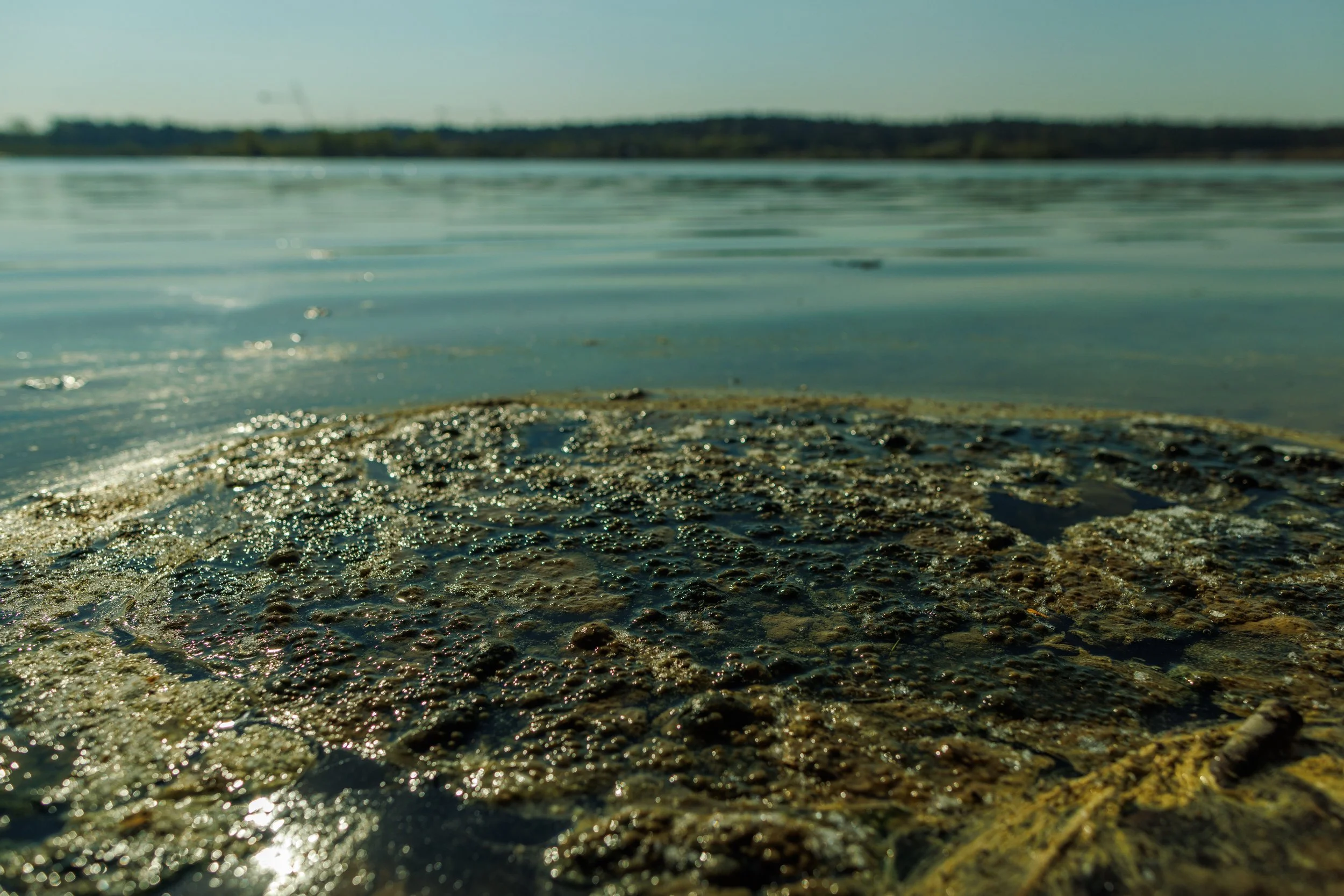
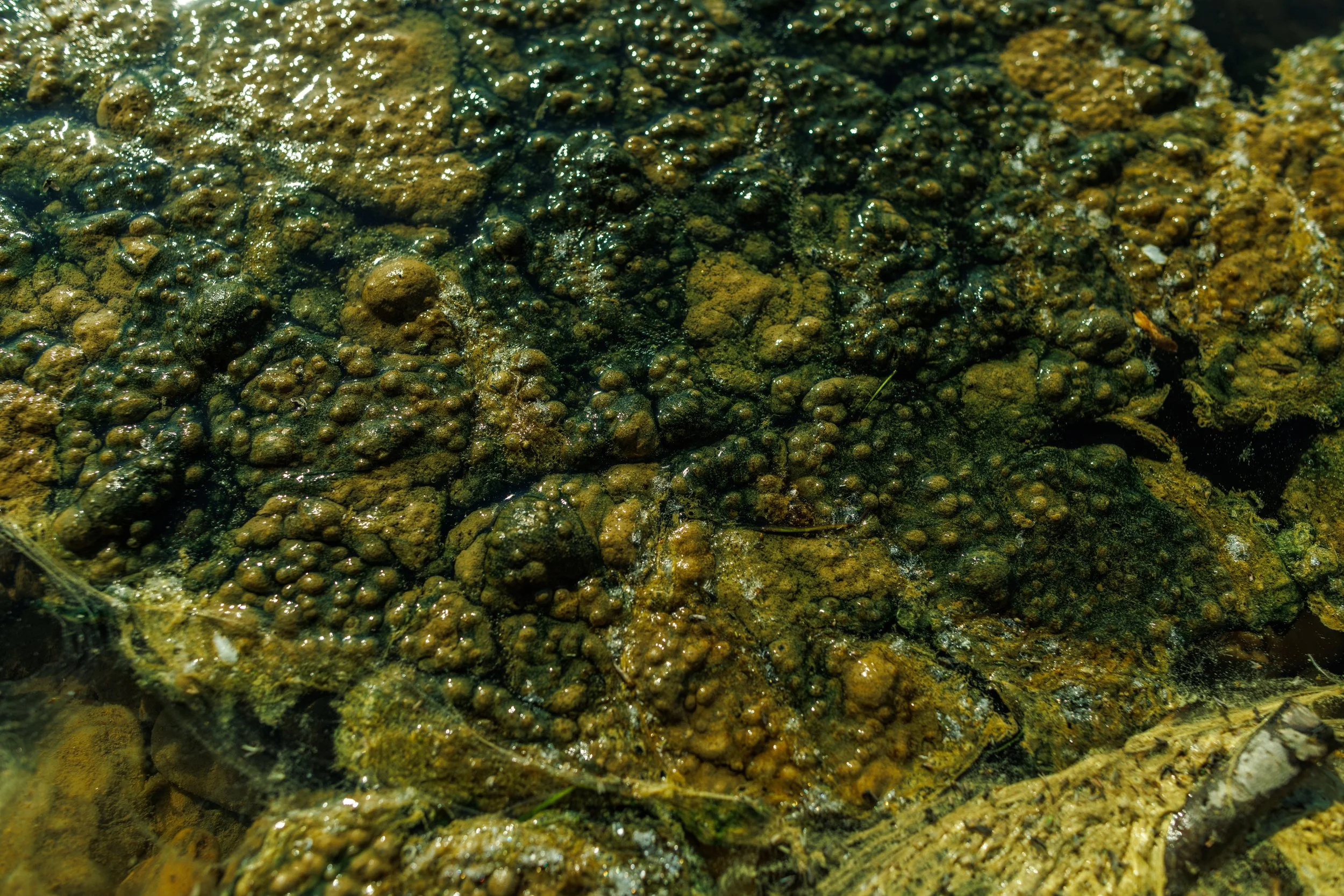
Cyanobacteria are "given away" by a greenish or brownish mat or scum on the water surface, but they can also grow on substrates, such as rocks, branches, or sticks, forming biofilms that are more difficult to observe and monitor.
“Slovenia – a land of healthy and clean waters,” the tourist portal I feel Slovenia invites. “The majority of our inland bathing waters are classified as 'excellent', which is better than in most other EU countries,” the Slovenian Environmental Agency (Arso) writes on its website. Slovenia is often presented as a country of exceptionally clean waters, but this image is flawed.
The statistics on water quality measurements cover what is legally required—49 officially designated bathing areas. All other parts of these waters and other popular spots, from gravel pits to ponds, which people and animals use at their own risk for swimming, recreation or cooling off, are not considered bathing areas by the state. There, the state is not obliged to monitor water quality, monitor the growth of cyanobacteria or inform the public about the state of the waters.
This gray zone, among the so-called unofficial waters, also includes the gravel pit near Kidričevo. And the pitfalls of these waters were discovered by the dog Verona when she unsuspectingly grabbed a stick with a poisonous coating. Similar suspicions of cyanobacterial poisoning also occur in waters that are monitored by the state, but outside of designated monitored sections. In cases where no one systematically measures the state of the water, the risk of coming into contact with potentially toxic organisms is greatest.
Our investigation Slovenia's murky waters (an investigation into water safety) reveals that Slovenian legislation does not provide safeguards for all waters used for recreation. When inland fresh water is not part of the designated area of official bathing water a systematic monitoring is not performed. Furthermore, the verification of cyanotoxin thresholds – which could be used to inform and update notification protocols so bathers would know if and how to act appropriately and avoid the water - is lacking. The lack of clear legislation in cases of dozens of fresh water sources that people and dogs use to cool off in hot summers can directly affect the health of citizens and animals. They are forced into a position where they learn about the risk— – at best— – after incidents occur or when they inadvertently consume toxic cyanobacteria.
-
Cyanobacteria are found in all types of water bodies. Planktonic species float in the water and, when they multiply excessively, cause blooms. The water becomes thick, green or purple and cloudy. Benthic species grow on rocks or other substrates below the water surface. This thick coating or mat can be brown, light or dark green, turquoise or almost black.
The growth of planktonic species and the appearance of blooms are affected by the amount of nutrients in the water, the water temperature and the flow of the water body. They are most often found in ponds, reservoirs, gravel pits and lakes. Most cyanobacteria are not dangerous to human and animal health, but some produce toxins that are released into the environment when the bacteria break down and can have a negative effect on humans and animals.
Due to the very nature of cyanobacteria growth, we may not be able to detect them on a given day, but the next day they have already grown because the wind has accumulated them overnight. Blooms occur very quickly when conditions are favorable. A real paradise for them is elevated temperatures and higher nutrient concentrations. But blooms are difficult to predict. Various methods are used for monitoring, from regular inspections of water bodies to satellite images.
If cyanobacteria have toxic potential, the poison quickly concentrates in one place, and an animal can ingest a high enough dose in a short time to cause poisoning. But since most cyanobacteria are harmless, we must decide when to monitor and investigate whether potentially toxic cyanobacteria are also present.
You will learn more about cyanobacteria in the second podcast of a three-part series on cyanobacteria. Listen to it at www.strasnohudi.si or in podcast applications.
-
Cyanobacteria can also grow where people might not expect them—in rainwater tanks, home ponds and other small bodies of water near the house. "Where there is water and light and nutrients, there can also be cyanobacteria," explains Tina Eleršek. But laymen's judgment is not reliable. If anyone notices a greenish, brownish, or even purple layer on the surface of the water, dead fish or other organisms, or floating debris, they should safely photograph it and contact them via the online form on the CianoSLO portal so that they can check the situation.
Cyanobacteria can cause problems even on football fields with natural grass, where a lot of fertilization and watering is required to maintain a good and durable turf, which also allows cyanobacteria to grow.
Control ends after the 49th water
Without cyanobacteria, there would be no you, no us, no one. We can thank them for creating the first oxygen molecules as a byproduct of photosynthesis three billion years ago. Today, as part of the tiny plant organism known as phytoplankton, they produce about 70 percent of the free oxygen on Earth.
Cyanobacteria are found in water in two forms, some float freely as part of the plankton, while others grow on substrates, such as rocks, branches or sticks, and form biofilms. These are benthic cyanobacteria which are also more difficult to observe and monitor.
Although they are natural inhabitants of our waters, their excessive growth can become a public health risk. While scientists link planktonic cyanobacterial blooms directly to nutrient availability and rising temperatures, we still do not know what influences the growth of benthic species that grow attached to rocks. The latter are far from being studied and findings to date suggest that nutrient input does not play as big a role as for those that float in the water.
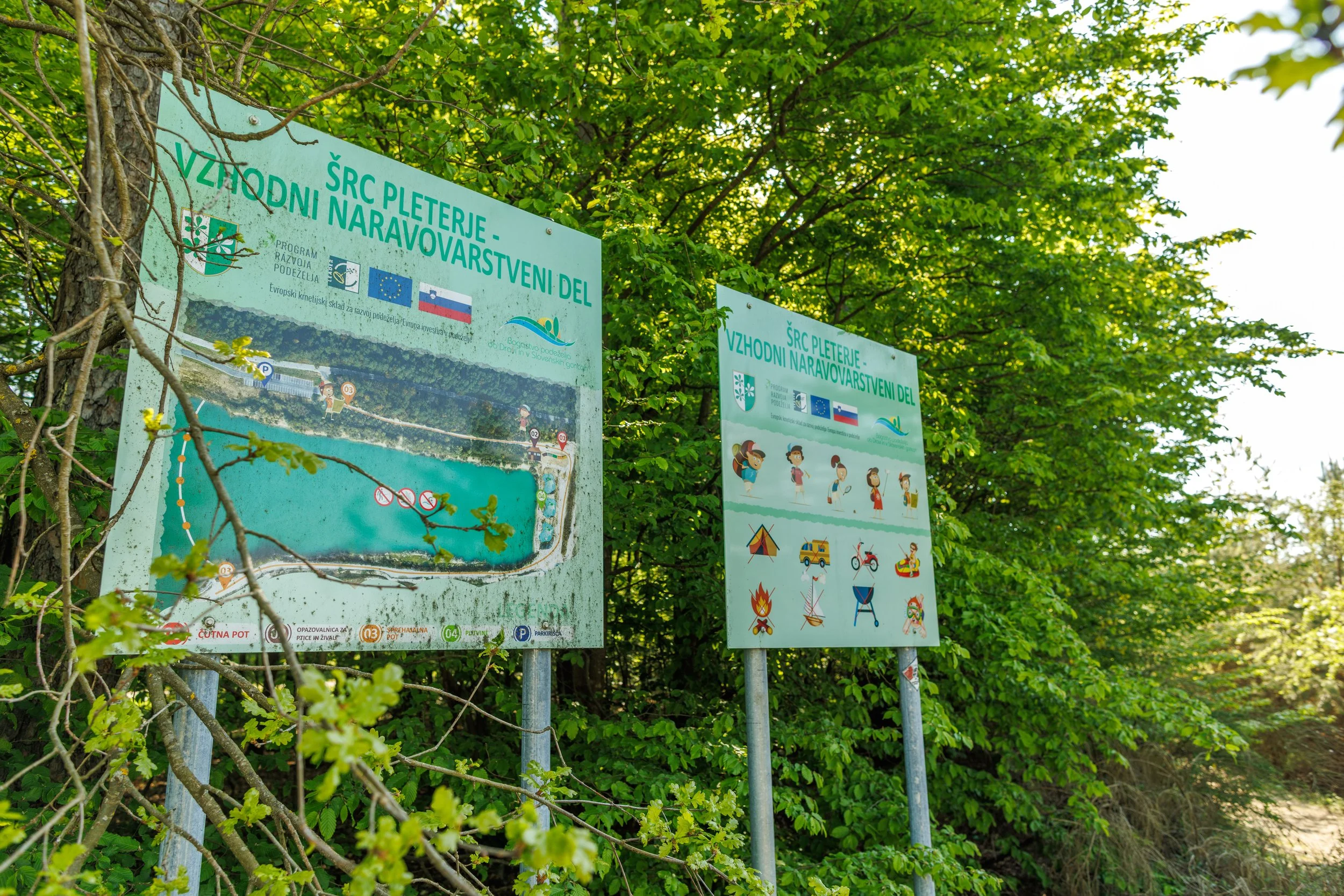
At the Green Lake (also known as Zeleno jezero, the Pleterje gravel pit or Maruša’s gravel pit), which is being developed as a sports and recreational area, the owner of the black smooth-coated retriever Verona, Zarja from Slovenska Bistrica, did not notice any special warning signs or information about the possible toxicity of the water. The lake does not have the status of an official bathing water so the state is not obliged to monitor the water quality there or inform the public. Instead, they can read on the information board that they should use the water at their own risk. People are left to their own judgment.
The water sector in Slovenia is governed by the Decree on the Management of Bathing Water Quality. The monitoring covers 49 officially designated areas, almost half of which are by the sea, the rest are rivers and standing waters, including two lakes, Bohinj and Bled, and Šobec pond.
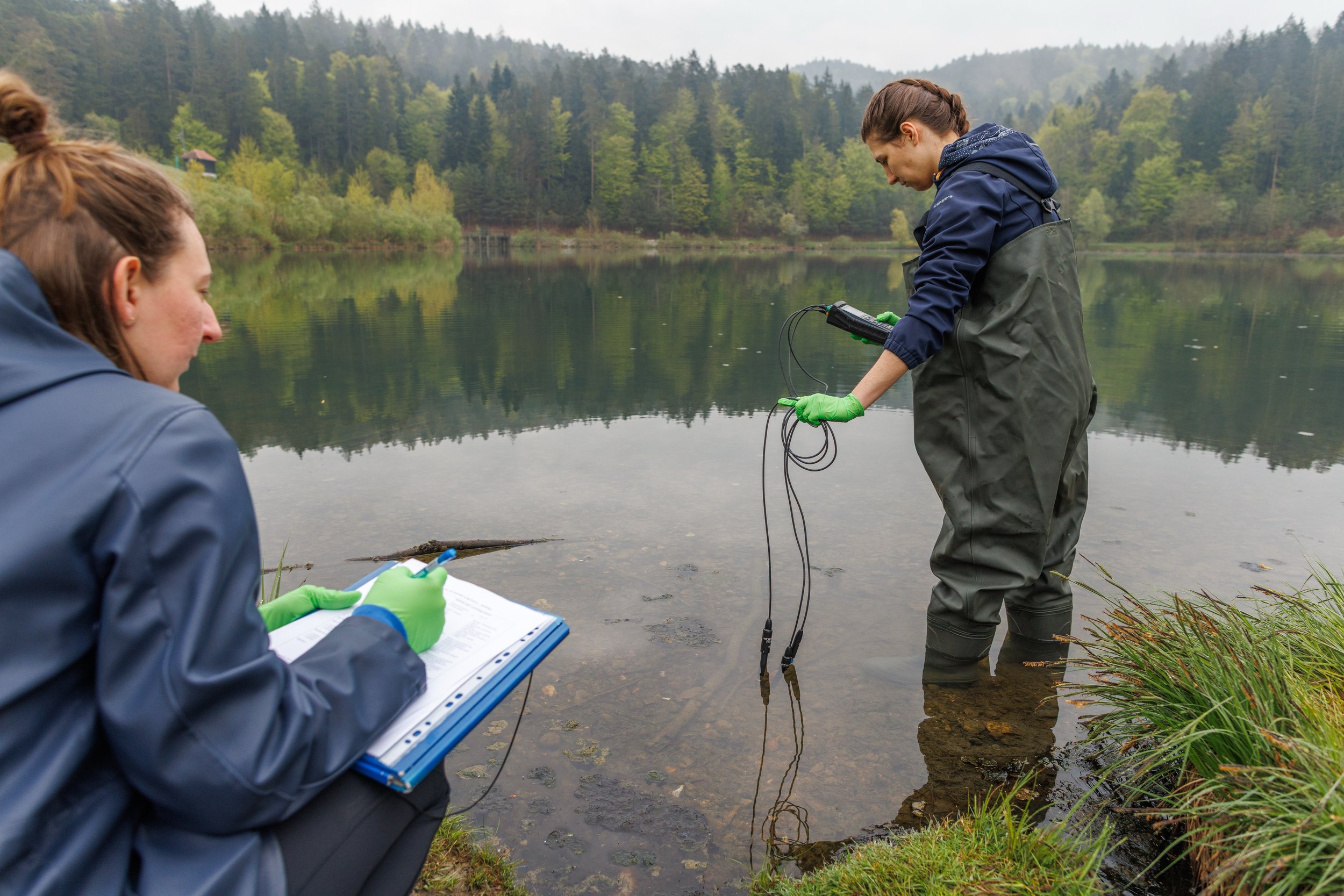
Arso is responsible for water monitoring in Slovenia and ensures that water samples are collected and analyzed at the above locations every two weeks during the bathing season. They assess the hydrological and ecological state of the water. They look for bacteria that cause intestinal problems and poisoning, measure the temperature of the air and water, its acidity, transparency, and whether it contains any impurities, mineral oils, etc.
What about cyanobacteria? They are monitored if the profile of an individual bathing water, i.e. its "personal identity card", indicates that there is a possibility of their growth, which manifests itself as a bloom. "Cyanobacteria are included in the monitoring of the ecological state of waters," explained Arso, the Water Directorate (DRSV) and the National Institute of Public Health (NIJZ) in a joint response. Additional analyses are performed as needed during blooms. "Over a five-year period, a color change as a result of blooms was detected only once in bathing waters due to low water levels and poor flow," they add. This isolated case occurred four years ago at Šobec pond near Lesce, but a more detailed examination did not confirm the presence of toxic species.
Otherwise, whenever water is sampled and regardless of the water profile, they inspect its surface and check whether there is a surface mat or scum. If there is any uncertainty, they send photographs from the field which are reviewed by Arso experts and, if necessary, they carry out additional inspections, measurements and sampling or consult with external experts.
The water is crystal clear, but...
Dr. Tina Eleršek is a researcher and head of the Ecotoxicology working unit at the National Institute of Biology (NIB). She explains that in the past the attention was mainly on planktonic cyanobacteria and their surface blooms, "but in the last decade, science has also begun to rapidly research potentially toxic benthic cyanobacteria, about which we used to know nothing." These grow, for example, on stones and branches along the coast —and Verona the dog might have something to say about them if she could talk, because she probably ate just such things off a stick.
Tina Eleršek explains that experts do not yet know exactly to what extent toxins from the mats of benthic cyanobacteria can be released into the surrounding water. In addition, Slovenia does not yet have a national legislation framework for activation in the event of overgrowth of potentially toxic cyanobacteria.
It is precisely these shortcomings that the World Health Organization (WHO) warns about. The WHO emphasizes that when planktonic cyanobacteria appear on a water surface “take immediate action to prevent contact with or ingestion of water", as 100 milliliters of such water can be a dangerous dose for a child. It also advises countries to collect more samples during the season and actively monitor the toxic potential, rather than just waiting for a visible bloom.
Toxins can be present in the deposits on the stones, even though the water appears crystal clear, and the official system is only activated in our country when there is visible planktonic bloom. However, systematic monitoring of benthic mats is not planned in our country, as “bathing waters are monitored because people bathe", the institutions explain in a joint response. They add that pets are prohibited and spatially restricted in some waters. And that the risk to dogs from cyanobacterial blooms is much greater than for humans. "It is crucial that dog owners are aware of this risk, as this type of monitoring would not be financially sustainable."
If the state were to systematically monitor other waters in addition to legally designated bathing areas in the future and to work more closely with local communities in informing the public and managing recreational areas, Slovenia would move closer to WHO recommendations. Residents and their animals would not depend solely on their own responsibility and information-seeking. The experience of the dog Verona also shows that when bathers and animal owners are left without public warnings and accessible risk information, they have no way of recognizing the danger before they accidentally ingest or come into contact with the water or sludge.
Photo: Matej Povše
Awakening System Control
Verona is not an isolated case. It has been exactly one year since the deaths of dogs at Lake Bohinj, where the impact of cyanobacteria has not yet been definitively confirmed. But it has not been disproven either, as they are still waiting for the interpretation of the analyses. The tragic deaths of dogs and the appearance of toxic benthic cyanobacteria on Lake Bohinj prompted DRSV to conduct a more detailed analysis. Since regular state monitoring does not include analyses of cyanobacteria and thus possible cyanotoxins, they ordered the first systematic research of cyanotoxin potential in twelve inland waters, carried out by NIB.
The results of this analysis confirmed where the risks are actually greatest. The locations with the highest risk were Perniško Lake (upper and lower), Ledavsko, Gajševsko, Šmartinsko and Bled lake.
However, climate change also poses new challenges, as it reduces the resilience of our inland waters, lakes and water bodies. “Global warming increases the risk of short-term disturbances, such as nutrient leaching during heavy rainfall,” they explain at DRSV. Therefore, they believe that effective and proactive management is essential, either through long-term measures such as reducing nutrient input, or by responding quickly through early warning systems. This is only possible with consistent and systematic monitoring. They are planning to continue with pilot monitoring in 2026.
Despite the changes, waters that are not official bathing areas remain a legal grey area. There is no monitoring there unless specifically ordered by the municipality or the manager.
-
Cyanobacteria can also be seen in satellite images, but only if the lake is large enough. Satellite images allow us to monitor lakes over longer periods. We get data every few days when a satellite flies over the same place, but the resolution of open-access satellite data is currently limited to a few tens of square meters. This means that one pixel covers an area the size of a living room, so the use of satellites is currently only suitable for larger water surfaces. In addition, there is no satellite data when the land is covered by clouds.
Dr. Karsten Rinke from the Helmholtz Centre for Environmental Research in Leipzig and co-author of the report on satellite monitoring of cyanobacteria in bathing waters told Strašno hudi that satellite monitoring is currently in the pilot phase. On three Alpine lakes, an automatic system on a floating buoy collects data every day, which is also checked with satellite images. From this data, they will be able to prepare model predictions of blooms in other larger lakes. For now, the system is not yet accurate and proven enough to be used in practice. In addition, it does not detect benthic cyanobacteria. “The idea is to use a satellite, and only when the satellite detects a critical condition, we send someone to sample, which is called triggered sampling, because the satellite signal triggers the monitoring,” explains Rinke. However, he warns that in any case, satellite images must be additionally verified in the field or rely on the help of citizen scientists.
Satellite data is already used in practice to monitor water bodies over time. The Alplakes portal combines satellite images of Alpine lakes; among them, data for some Slovenian lakes is also included. As Tina Eleršek from NIB explains, “our waters are so small that the vast majority are not suitable for satellite detection. It would be different if we had access to commercial satellites, which have much better resolution than European ones.”
Rely on yourself
The day Verona rushed into the water of Green Lake to get a stick, her owner Zarja did not notice a sign on the shore warning her of the potential risk. Even if she had searched the web, she would not have been able to find information about water quality and cyanobacteria easily, if at all. She realized something was wrong when it was too late. Verona started shivering and writhing in convulsions. Zarja found out that there was a toxic cyanobacteria in the water only later when the NIB analyzed water samples and feces.
Water management, health impact assessment and public information in general is fragmented between several state institutions: the Water Directorate, Arso, the National Institute of Public Health, the Food Safety, Veterinary and Plant Protection Administration, the Protection and Rescue Administration. None of them has clearly defined responsibilities for water areas that are not on the official list of bathing waters. No institution is obliged to inform the public and, for example, encourage municipalities and other managers to put up signs about potential risks or close a bathing area.
The country has a multi-tiered public information protocol in place, which operates at 49 official bathing areas. Information on water quality is as follows.
Included on the Bathing water map,
accessible via QR codes on information boards along the water.
If Arso detects cyanobacteria during regular monitoring, it notifies the NIJZ, which then issues an opinion on whether the water is suitable for swimming and prepares recommendations for bathers. Arso also notifies the municipality and the swimming pool operator, if necessary. The NIJZ foresees three categories for the presence of cyanobacteria, which are determined based on the concentration of cells per milliliter of water and any cyanobacterial foam on the surface. For each of these three categories, in addition to informing the public, certain measures are planned.
While the first level (above 20,000 cyanobacterial cells/ml of water or 10 μg chlorophyll/litre if cyanobacteria predominate) only requires informing the public, the second level (at 100,000 cells) already requires advising against bathing due to the risk of long-term consequences. However, if cyanobacterial foam is present in a bathing area, the system foresees the most stringent measure: the immediate possibility of banning bathing and other water activities and systematic monitoring of people's health.
In its 2021 guidelines, WHO recommends that countries actively use signs, posters and notices at locations, local media and websites, social media, phone messages, and notification apps to inform the public. Until the state systematically monitors water and informs water users, the safety of bathers and animals will rely on informal sources. Verona's experience shows that users depend on random warnings from citizens and NIB researchers, who, at their own discretion, take responsibility for informing the public about potential risks.
It is different in some Italian regions, where they preventively restrict access to water as soon as people notice a bloom or mats, and do not wait for toxicity to be confirmed by laboratory analyses, explained Nico Salmaso from the Edmund Mach Foundation Research Institute in an interview.
-
The field of water quality control in Italy is regulated by national legislation, which each region implements independently under the auspices of a regional environmental agency. In doing so, the regions adhere to WHO guidelines and determine the locations and frequency of sampling, which can take place every two weeks to every two months, depending on the level of risk. We spoke to Dr. Nico Salmaso from the Research and Innovation Centre of the Edmund Mach Foundation about how the monitoring of cyanobacteria, notification of their growth and the determination of criteria for restricting access to water are regulated in Italy.
According to Salmaso, action must be taken in all waters where cyanobacteria bloom, as the consequences affect not only people who use the water, but also animals. Italian environmental agencies usually also respond to notifications from citizens when they report occasional cyanobacterial blooms in smaller bodies of water. They take samples "because there is an interest in investigating this phenomenon."
To confirm which cyanobacteria have grown, they must collect samples in the field, perform physical-chemical measurements of the water and look at the samples under a microscope, and later perform molecular analyses and other methods that confirm the presence of genes for toxicity and toxin content. There are many toxins. In Slovenia, for example, the most common toxins are from the microcystin and anatoxin groups. Final confirmation of the type and amount of toxin can take several months. It is precisely because of the lengthy procedure in Italy that individual states decide at the first visible signs of bloom or the appearance of sludge whether a lake or other body of water should be closed for swimming or recreation.
With this approach, they comply with the recommendations of the WHO, which advises countries to immediately introduce preventive monitoring if animals become ill or die after using the water. The guidelines emphasize the need to establish rapid communication channels for water quality analysis so that they can identify the causes and determine measures for water management. They also call for the systematic recording of all bloom occurrences and mandatory notification of competent institutions responsible for public health—especially when conditions are favorable for the rapid growth of cyanobacteria.
-
New Zealand is listed in WHO documents as a country that warns of cases of benthic cyanobacteria. The map on the LAWA website shows, among other things, more than a thousand bathing areas where water quality is monitored. The scientific background of the measurements is given and warnings are issued about the possible unsuitability of the water for bathing. The online platform was created in cooperation between regional environmental and hygiene centers, an independent environmental monitoring organization, the Ministry of the Environment, and various regional representatives and universities.
Benthic cyanobacteria are given special attention. In a video for dog owners, they clearly explain why they are particularly dangerous for dogs and what to watch out for.
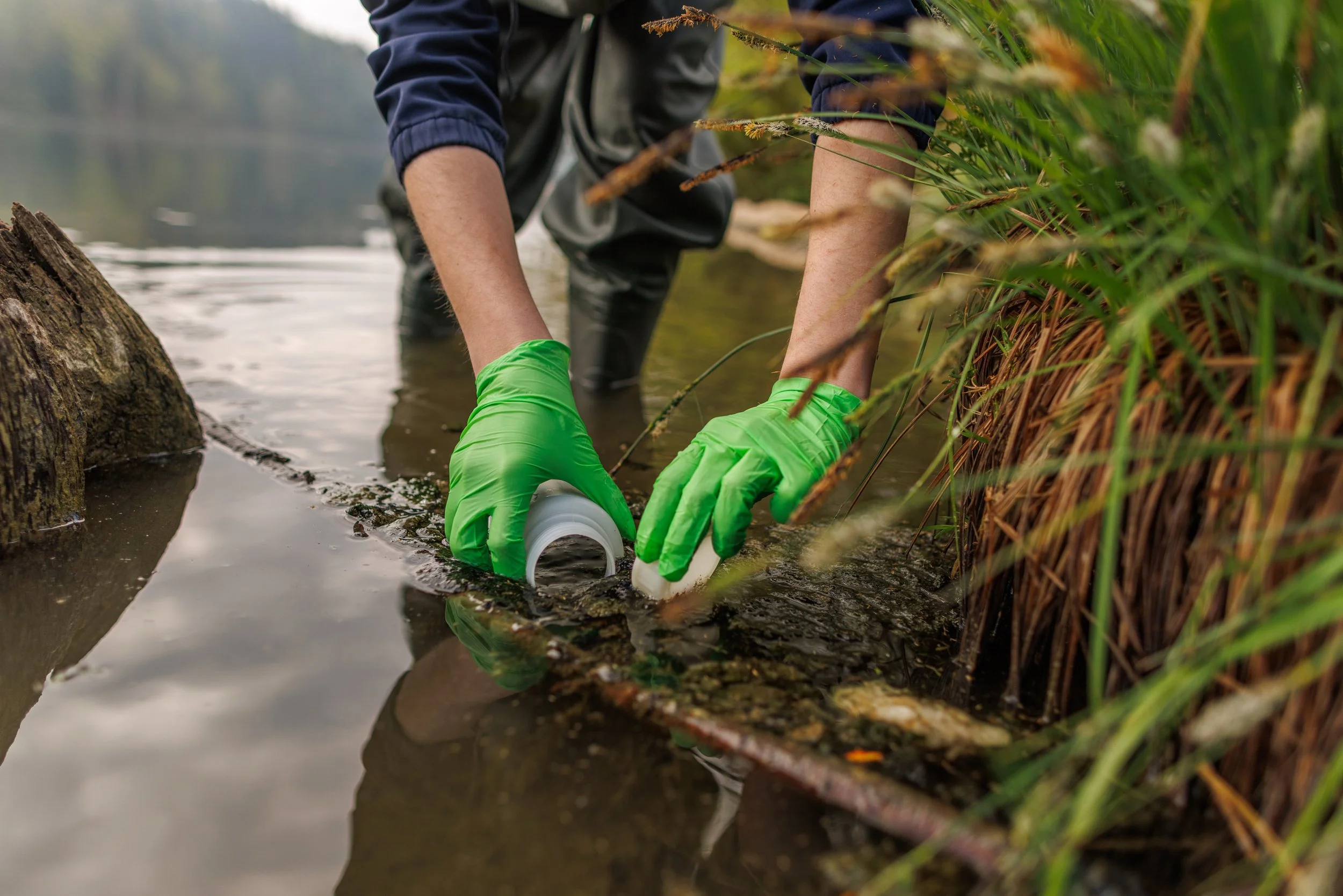
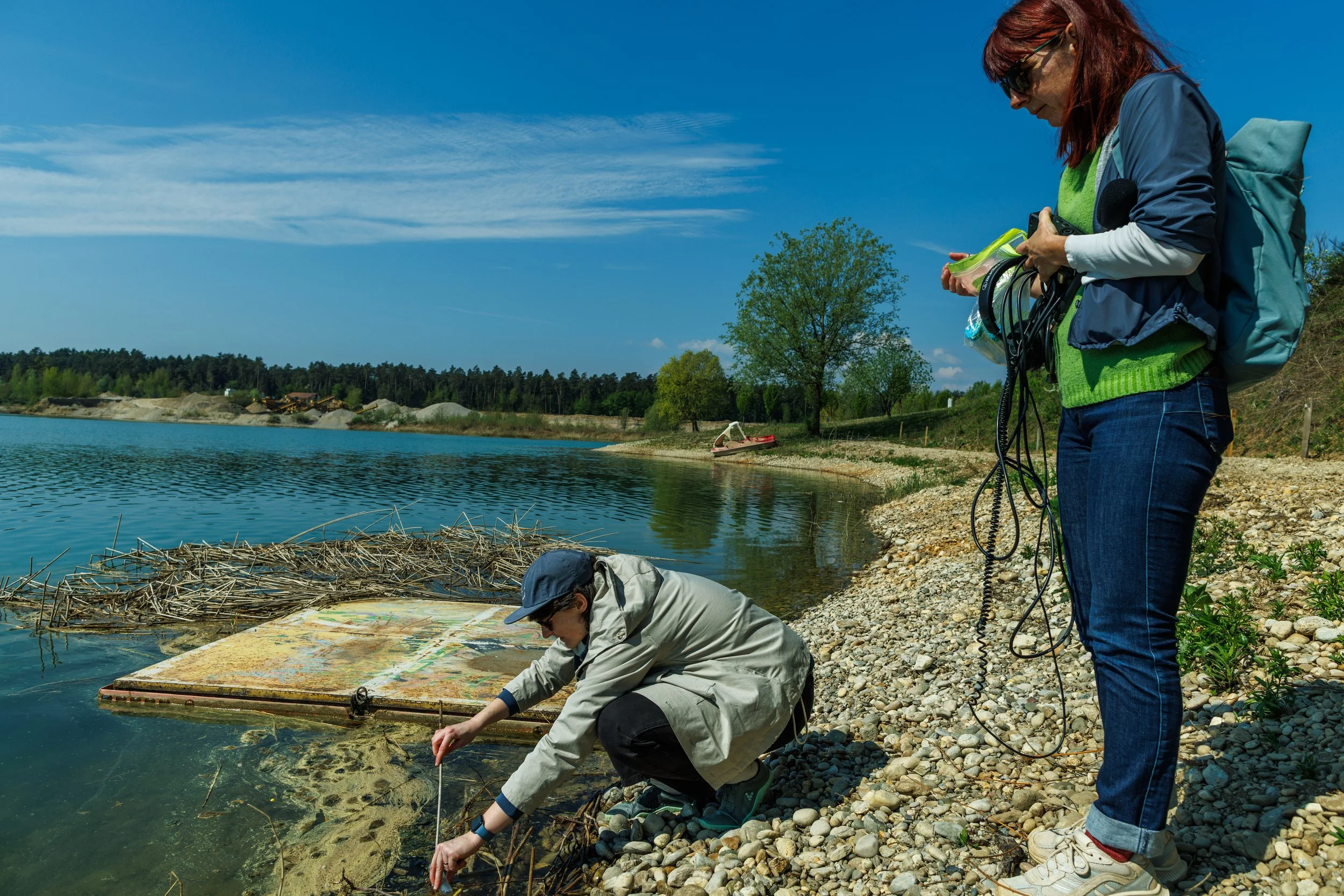
In Slovenia part of the void in the area of systemic disorder is currently being filled by a citizen science project called CianoSLO, which is led by NIB. When NIB scientists receive a report of suspicious scum, bloom, or mats, they take samples and use various methods to check the content of cyanobacteria and the toxins they secrete. They record their findings on an interactive map and inform the public about the results on social media. However, they do not have the legal authority to officially guide bathers, dog owners and other water users and explain the health risks to them.
Their data indicates risks at unofficial bathing areas, reservoirs, gravel pits, ponds, in short, in waters that are not included in the list of 49 official bathing waters. In the last five years NIB collected 1,725 samples from almost 50 water areas, three-quarters on their own initiative and the initiative of citizens. When they looked at them under a microscope, they found cyanobacteria, a potentially toxic genus, in just under half, and one-tenth of the samples contained toxins.
Their microscopic analyses this year confirmed cyanobacteria with toxic potential in 16 out of 21 samples, for example in Gradiško, Zbiljsko, Green Lake and Rakitna lake, indicating a risk even in popular tourist and recreational areas. These data clearly show that the "excellent" rating for bathing waters does not capture toxic mats that may be lurking in other areas.
At the initiative of a citizen, samples from the Arena reservoir, the water of which is used to make snow at the Pohorje ski resort, were analyzed in February. They confirmed that the sample contained cyanotoxin, and its concentration exceeded the internationally recommended limit for safe water use by four times. The manager wanted to take action, but learned that "no institution in Slovenia is responsible for such phenomena in unofficial waters." Therefore, he put up the warning sign on his own initiative.
When implementing the CianoSLO project, the NIB is trying to address all initiatives received from citizens. "It is a new, sensitive and relatively unknown topic, but one that can have serious consequences and which, given climate and environmental trends, we can expect to be on the agenda more often in the future," explains Tina Eleršek. That is why, she emphasizes, a quick, clear and professional response is crucial, not only to prevent accidents and protect citizens, but also to limit the processes that cause cyanobacteria to grow as much as possible.
They also handle initiatives with their own funds, so they are constantly looking for different financing options, while also negotiating with the competent institutions, because long-term, professional and systematic monitoring can only be carried out with appropriate systemic support, which allows covering the costs of analyses, equipment and the work of researchers. "Above all, it is important to determine which is the coordinating institution, so that everyone in the country will know which institution to contact in cases of 'unofficial' bathing waters. There is no answer to this question yet," warns Tina Eleršek.

Photo: Matej Povše
A warning from the Green Lake
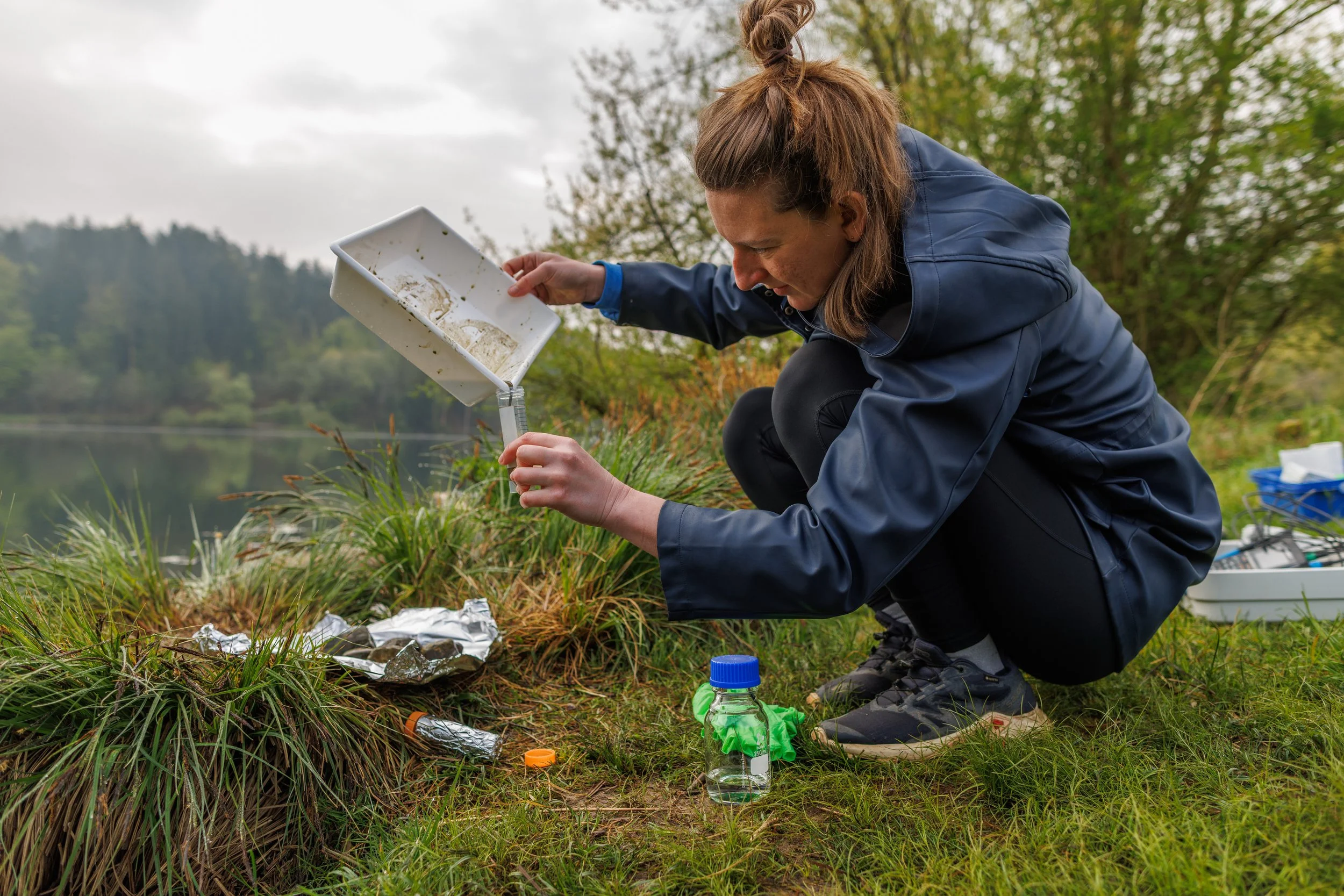
In the spring, Verona returned to the shores of Green Lake for the first time in two years. This time, the Strašno hudi reporting team was there with her too. At first, she looked curiously towards the water, and then she rushed towards it, but Zarja grabbed the leash tightly. This time, Verona did not jump into the water. The samples we took at that time, which were analyzed in the NIB laboratory, contained some potentially toxic cyanobacteria.
-
Veterinarian Maruša Ahaj from Slovenska Bistrica warns about the lack of official information on water safety and the need for systematic reporting. She remembers August 2024, when she treated four poisoned dogs in two weeks. "Basically, it was the same for everyone. They all swam in the Green Lake on the same day. In two of them, if I remember correctly, the symptoms appeared at the lake," she says. They included muscle tremors, incoordination, confusion, drooling and nausea. All the dogs recovered with symptomatic therapy.
Maruša Ahaj is convinced that most complications could have been avoided if the owners had seen the notice about the water condition when they arrived at the lake. This would require regular, perhaps weekly testing, as this would be the only way for the public to be informed in a timely manner. Finally, veterinarians are not required to notify the veterinary inspection about cyanobacterial poisoning, as they are required by law to do in the case of, for example, rabies or zoonotic diseases. According to her, warning signs should be placed everywhere where the presence of cyanobacteria has been confirmed or where dogs have been poisoned in the past. "Many people do not even know that poisoning can occur," she says. They need to be made aware. She emphasizes that owners must be careful when they get to the water in any case. But they also need to know what to look out for.
The municipality of Kidričevo, which owns part of the land along the Green Lake, says that they are aware of the risks that cyanobacteria and their toxins can pose in certain circumstances. That is why they are taking the issue seriously. They state that they have informed the public as part of the applicable rules on the use of the area and warnings about responsible user behavior. They are also examining the possibility of additional public information if the risks are confirmed.
They emphasize that to date they have not received official evidence or expertly confirmed findings that health complications or animal deaths are a direct result of cyanobacteria in the lake. They cite the legal status of the lake as the main reason. "Since the area is not an official bathing water, users use it at their own risk."
Meanwhile, the municipality is inviting people to the lake for a "wellness weekend" and is building a floating pontoon bridge on the lake, where the responsibility for safe water use is left to visitors discretion.
The night Verona fought for her survival remains vivid in the memory of her owner, Zarja. But it is also a reminder of the risks that popular waters can pose. Veterinarian Maruša Ahaj, who rescued the dog, emphasizes that the key to survival was that the owner, a biologist, gave a very good medical history. And although the safety of the animals depends on the owners' attention, she warns that water users could avoid trouble if they saw an information board on the water quality, such as those in the bathing areas, when they arrived at the lake, which would also include data on cyanobacteria. Official information can also be useful for veterinarians in taking action.
Slovenia builds a large part of its identity on the image of a country of clean waters. However, it is easy to overlook that this image is built in those areas where their quality is regularly monitored, but not in many other points where people and animals like to linger on "their own responsibility". As Dr. Nico Salmaso emphasizes, "action needs to be taken in all waters, because blooms affect not only people who use the water for recreation, but also animals". Systematic regulation would mean that bathers, skiers, and dog owners receive information that allows them to use natural resources safely.
Due to climate change and warming waters and nutrients in the water that encourage the growth of cyanobacteria, the risks may become even more frequent in the future. Cyanobacteria will not disappear. The purpose of such a system is to overcome the current uncertainties that leave bathers and animals in most Slovenian waters relying on chance and warnings at dedicated social media channels.

The production of this investigation is supported by a grant from the Journalism Science Alliance.